What are the main conditions affecting toenails?
Nail fungus (onychomycosis)
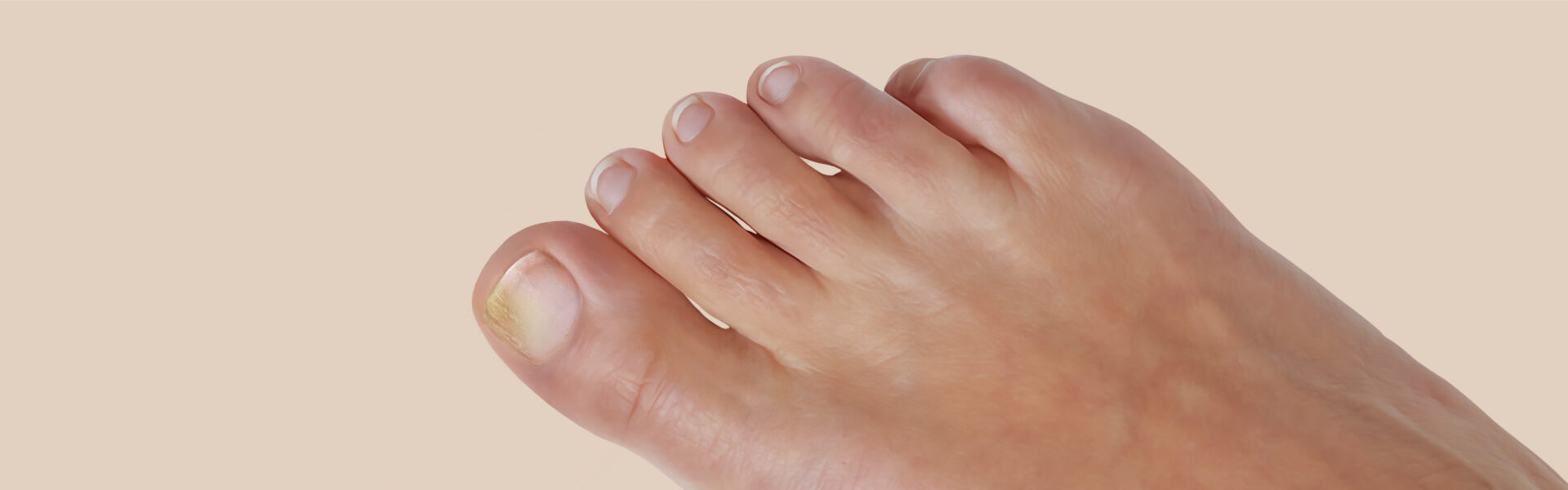
This is the most common condition. Caused by microscopic fungi, it leads to thickening, a yellowish or brownish discolouration and brittleness of the nail. In advanced cases, the nail may become detached. Heat and humidity encourage its development, which is why it is more common amongst sportspeople and people who frequently wear closed shoes.
Ingrown toenail
An ingrown toenail occurs when the edge of the nail grows into the skin, causing redness, pain and sometimes an infection. It is often linked to cutting the nails incorrectly, wearing shoes that are too tight or an anatomical predisposition.
Nail trauma
A blow or pinching can cause a subungual haematoma: a red or black patch caused by a build-up of blood under the nail. Although sometimes harmless, it can be very painful and lead to the nail falling off.
Skin conditions
Certain conditions, such as psoriasis or lichen planus, also affect the nails. These manifest as deformities, ridges or abnormal colouring. A dermatological diagnosis is therefore necessary.
How can you recognise a toenail condition?
There are various signs to look out for: a change in colour (yellow, black, brown), a thickened, brittle or fragile nail, persistent pain or discomfort when walking, redness or swelling around the nail, and the nail becoming detached or falling off.
A single symptom does not always indicate a serious condition. However, if the abnormalities persist or worsen, you should seek medical advice.
What treatments are available for toenail conditions?
Treatments for fungal infections
Treatment involves applying antifungal nail varnish for several months in a row, or taking oral tablets prescribed in cases of severe infection. Innovative solutions such as laser treatment are also available. In all cases, treatment is a long process: between 6 and 12 months, which is the time it takes for the nail to grow back completely.
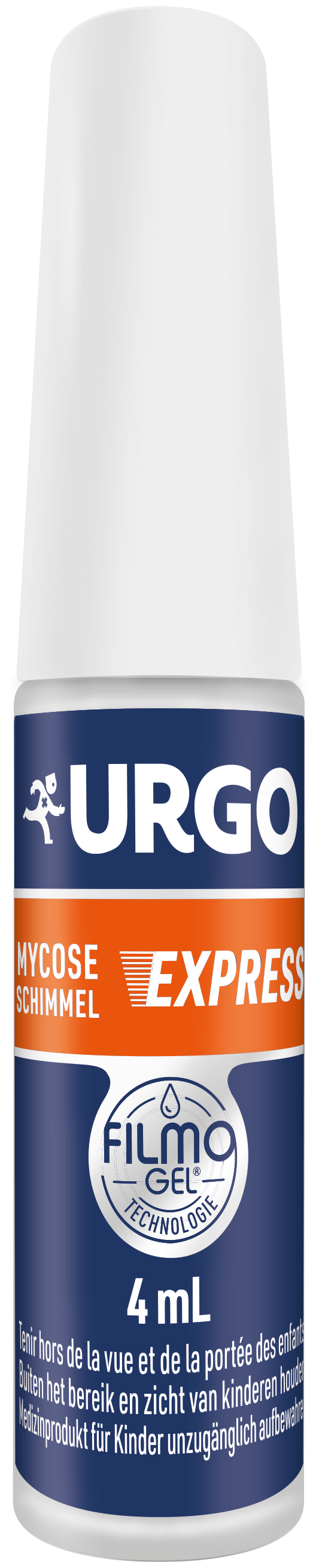
To support the treatment of fungal nail infections, URGO offers two suitable medical devices.
URGO Filmogel® Mycose 2-in-1 masks and treats nails affected by fungal infections. The treatment improves the appearance of the nail and is easy to use.
URGO Filmogel® Mycose Express is a liquid dressing recommended for nails affected by fungal infections. This treatment improves the colour of the nail within 5 days.
Treatment for ingrown toenails
In mild cases, a chiropodist can free the edge of the nail and advise on local care. If the ingrown toenail is a recurring problem or has become infected, a minor surgical procedure may be recommended.
Nail injuries
After an impact, applying cold and protecting the nail helps to relieve pain. If the bruise covers more than half the nail or becomes very painful, a doctor’s consultation is recommended. The doctor may drain the blood from under the nail to relieve the pressure.
Skin conditions
Specialist care is required. A dermatologist will recommend a suitable treatment, often topical or systemic, to manage psoriasis or other chronic conditions.
The URGO product you need:
Preventing toenail infections
Prevention involves a few simple steps
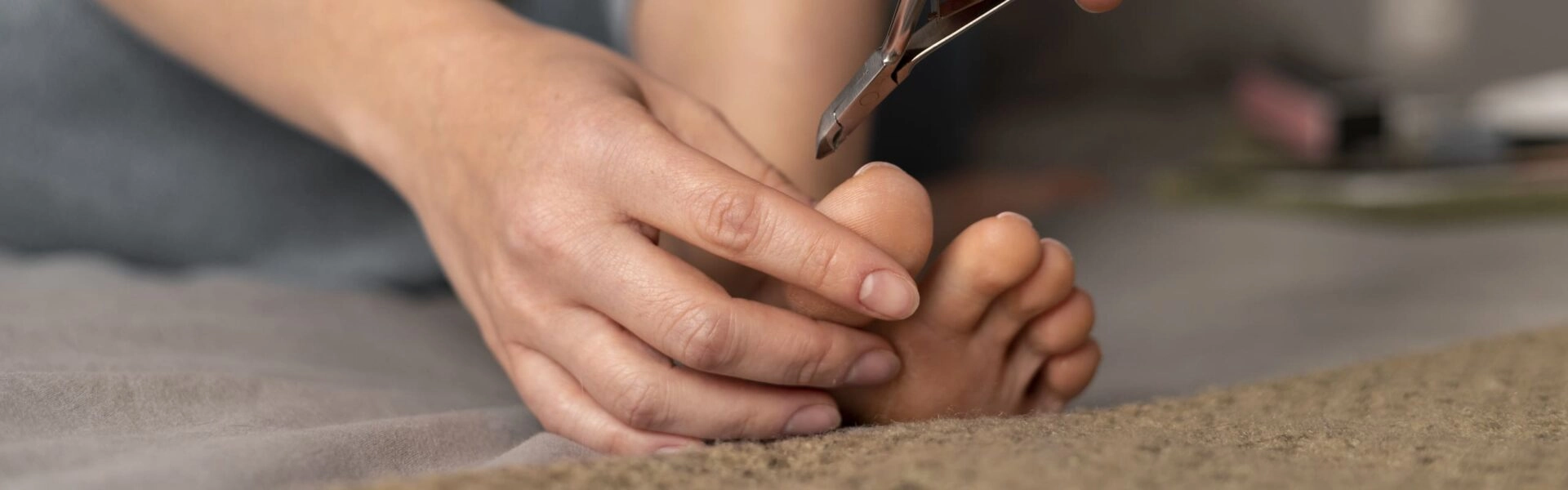
- Cut your nails straight across, not rounded, to prevent ingrown toenails.
- Wear suitable footwear – neither too tight nor too small.
- Dry your feet thoroughly, especially between the toes, to minimise the risk of fungal infections.
- Wear slippers or sandals in damp public places (swimming pools, changing rooms).
- Use clean pedicure tools and avoid sharing them.
Toenail conditions vary: fungal infections, ingrown toenails, trauma or even skin conditions.
Whilst some are minor, others require medical attention.
If you experience persistent symptoms, pain or significant deformity, it is essential to consult a healthcare professional to receive appropriate treatment. By maintaining good hygiene habits and keeping a regular eye on your feet, you can prevent the majority of these conditions and keep your toenails healthy and strong.